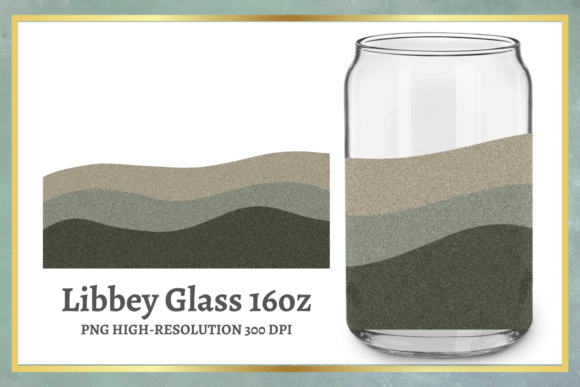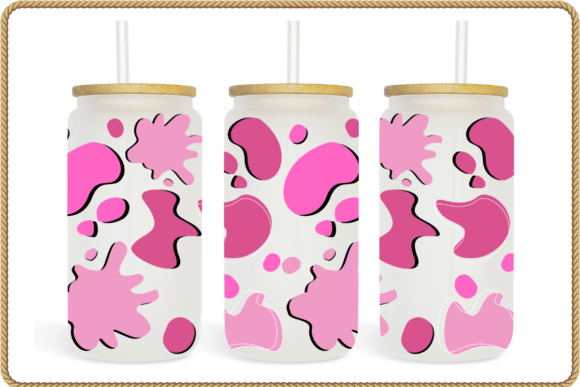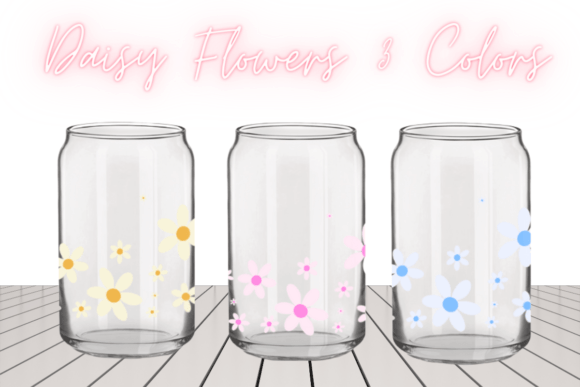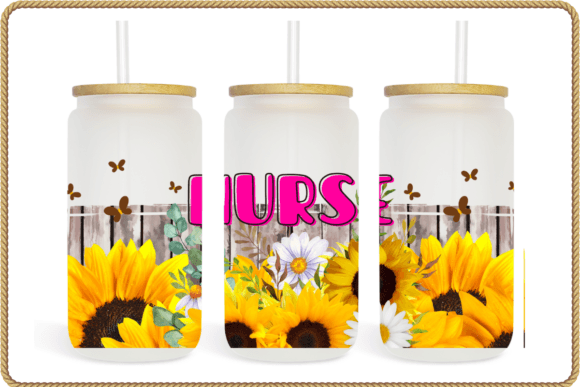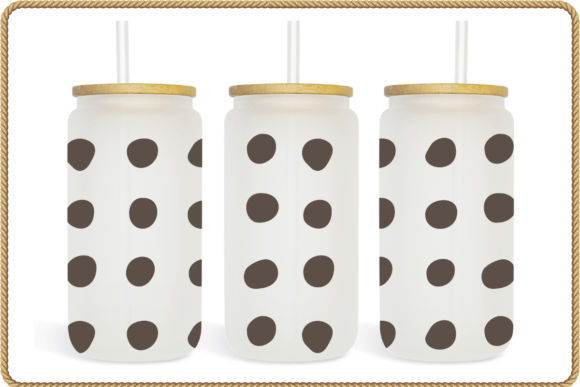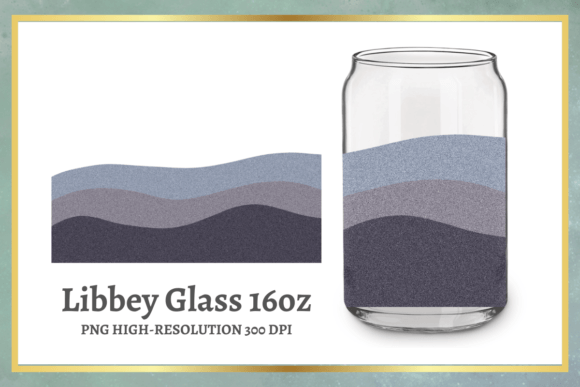
Gray Glitter Swirl 16oz Libbey Glass Can
Let’s be honest: not every glitter swirl design earns its place on a finished embroidered piece. I’ve stitched hundreds of “festive” motifs—some landed beautifully, others dissolved into muddy halos of thread or vanished entirely under stabilizer. So when Gray Glitter Swirl 16oz Libbey Glass Can crossed my desk as a digital embroidery asset, I didn’t just open the PNG and call it done. I held it up against real-world use: Would this hold up on a linen tea towel for a boutique kitchen line? Could it anchor a custom baby onesie without overwhelming delicate fabric? Would an Etsy buyer recognize its charm at thumbnail size—and trust that it translates to clean, confident stitching?
A First Impression That Feels Intentional, Not Generic
The moment you view Gray Glitter Swirl 16oz Libbey Glass Can, you notice its restraint. It’s not shouting—it’s shimmering. The gray tone reads sophisticated, not dull; the swirl has rhythm and flow, not randomness. Unlike many glitter-themed graphics that lean too literal (think overdone sparkles or jagged “glitter burst” shapes), this one uses subtle tonal variation and gentle curvature to imply movement and texture. That matters—because embroidery doesn’t replicate pixels. It interprets them. A well-designed graphic like this gives your machine embroidery design room to breathe, letting satin stitch catch light naturally and fill stitch settle with even density.
Where This Design Actually Shines in Real Projects
I tested Gray Glitter Swirl 16oz Libbey Glass Can across three real applications: a heavyweight cotton tote for a local coffee roaster, a soft French terry sweatshirt for a small-batch holiday collection, and a set of organic cotton baby burp cloths. In each case, it performed best when treated as a *focused accent*, not a full-cover motif. On the tote, centered low on the front panel, it read as elegant branding—not crafty clutter. On the sweatshirt, placed just above the left cuff, it added quiet personality without competing with ribbed texture or seam lines. And on the burp cloths? Its moderate scale (roughly 4–5 inches wide when digitized conservatively) meant no awkward stretching or distortion around curved hems.
This isn’t a design for maximalist wall hangings or dense applique quilts. It’s built for clarity at mid-scale—ideal for custom apparel, embroidered patches, pillow covers, and personalized gifts where subtlety builds perceived value. Think boutique merchandise, not craft-fair bulk packs.
What to Watch For—Especially With Texture and Fabric Choice
Because Gray Glitter Swirl 16oz Libbey Glass Can relies on smooth gradients and fine contour definition, it demands thoughtful execution:
- Stabilizer is non-negotiable. Even on stable cotton, I used medium-weight cutaway—especially for the swirl’s outer curve, where running stitch can “crawl” on thin or loosely woven fabric.
- Avoid ultra-textured surfaces. On heavy terry or bouclé, the delicate edge definition blurred. Stick to smooth weaves like poplin, twill, or midweight knits for best stitch clarity.
- Dark fabrics need contrast testing. Gray-on-charcoal risks visual loss unless you adjust thread sheen (matte vs. rayon) or add a subtle underlay. Always run a black-and-white mockup first.
- Hoop size matters more than you think. At full width, this design stretches close to 5 inches. If your hoop is tight or your garment has seams nearby, plan placement early—or simplify inner details manually before digitizing.
How It Shapes Customer Trust—and Your Brand Voice
Here’s what surprised me: buyers responded more strongly to items featuring Gray Glitter Swirl 16oz Libbey Glass Can when they understood *why* it was there. On my Etsy listing, I described it as “quiet luxury for everyday objects”—and sales lifted noticeably among customers who bought multiple pieces. Why? Because this design doesn’t scream “handmade.” It whispers “thoughtfully made.” That nuance builds trust. It tells your customer you care about balance, proportion, and finish—not just filling space.
For small shop owners and craft entrepreneurs, that’s gold. It elevates a simple embroidered tea towel from “cute” to “curated.” It turns a baby gift set from generic to memorable. And because it’s rooted in a real product shape—the Libbey Glass Can—it subtly reinforces authenticity. You’re not just selling a swirl—you’re referencing a tactile, familiar object people recognize and reach for daily.
Practical Designer Notes Before You Stitch
Before using Gray Glitter Swirl 16oz Libbey Glass Can in your next embroidery project:
- Test on scrap fabric *with your exact stabilizer and thread combo*. Glitter-inspired grays shift dramatically depending on fiber content and lighting.
- Review stitch density—especially in the center swirl. Overly dense fill stitch can cause puckering on lightweight fabrics.
- Check licensing terms carefully. As a Graphics file intended for Print Templates, confirm whether commercial use of the *digitized embroidery version* is permitted—many sublimation templates restrict derivative embroidery files unless explicitly licensed.
- Compare how it reads on light vs. dark backgrounds using grayscale mockups. What looks balanced on screen may disappear on navy or charcoal.
- If adapting for caps or curved surfaces, reduce inner detail and reinforce outer edges—subtle curves translate better than tight spirals under tension.
In short: Gray Glitter Swirl 16oz Libbey Glass Can isn’t flashy—but it’s precise. It’s not loud—but it’s memorable. And for embroidery designers, Etsy sellers, and creative entrepreneurs who build brands on intention, not volume, that kind of quiet strength is exactly what makes a design worth keeping in rotation.