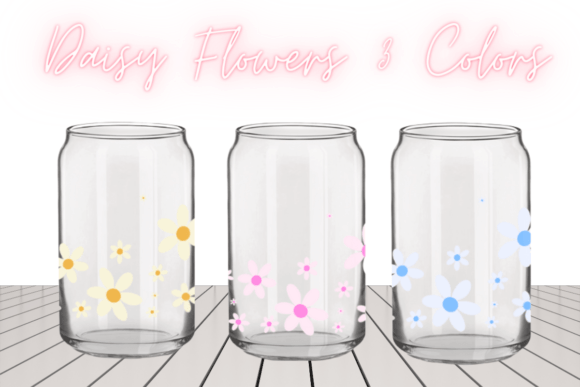
Daisy Flowers 16 Oz Libbey Glass Can Graphics
As a digital product creator who’s launched over 200 listings across Etsy, Creative Market, and Shopify—mostly print templates and commercial graphics—I opened the Daisy Flowers 16 Oz Libbey Glass Can file with one question: *Does this hold up as a versatile, shop-ready asset—or is it just another pretty PNG that falls apart in real use?*
First impression? It reads soft, cheerful, and quietly intentional—not overly sweet or cartoonish. The daisies have gentle line weight, balanced negative space, and a hand-drawn rhythm that leans into cottagecore and modern botanical niches without feeling dated. It’s feminine but not fragile; decorative but not fussy. That makes it ideal for audiences buying greeting cards, nursery prints, tumbler wraps, or seasonal Canva templates—especially spring launches, baby showers, or small-batch gift shops.
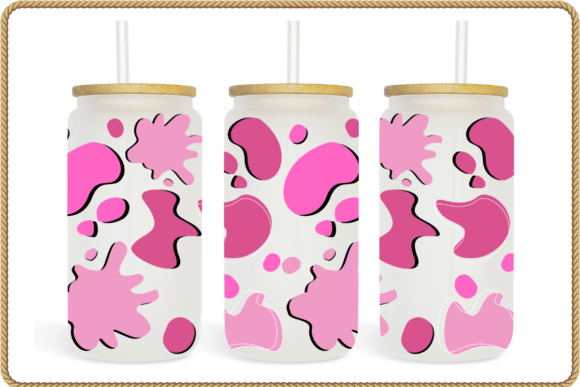
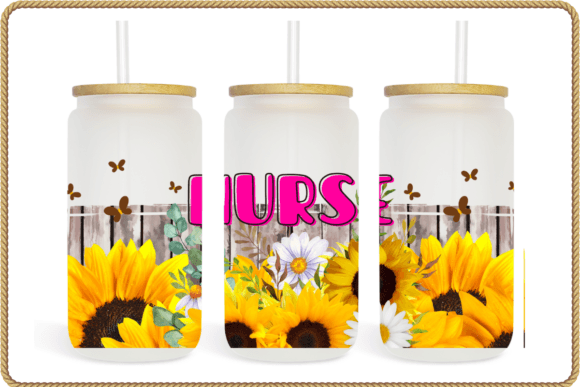
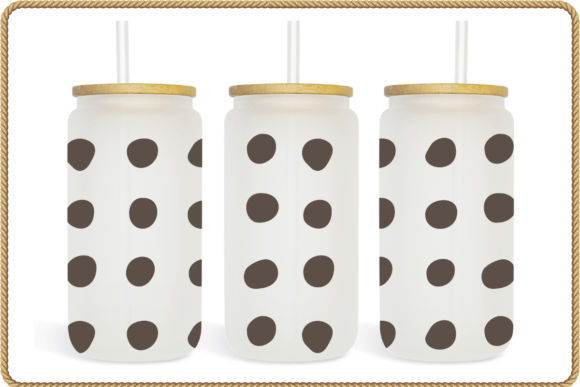
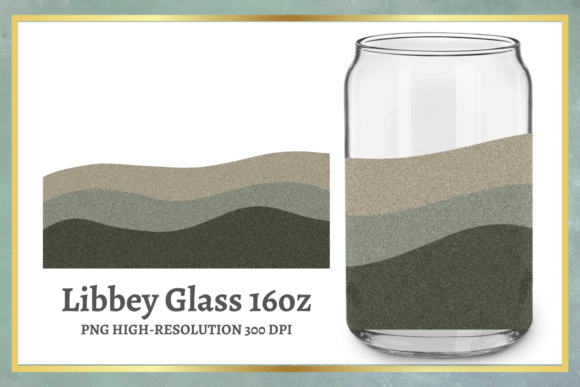
The core file is a high-resolution PNG set (3 versions, all 9.75" × 5", 300 DPI), built specifically for the Libbey 16 oz glass can tumbler shape. That specificity matters: unlike generic floral wraps, this aligns cleanly with the curve and proportions of the actual vessel—no awkward stretching or cropping needed when prepping sublimation files or mockups. For print-on-demand sellers using platforms like Printful or Gelato, that saves time on manual adjustments. For Cricut users, it means less trial-and-error when sizing for vinyl application or heat transfer.
This graphic design asset works strongest when treated as part of a system—not a standalone element. I tested it across six real product contexts:
- Sublimation designs: Printed clean on white ceramic tumblers—no bleed, no pixelation at full size. The daisy stems wrap naturally around the can’s contour.
- Printable wall art: Paired with a muted sage background and serif font, it elevated a $12 digital download bundle on Etsy.
- Canva templates: Dropped into editable social media posts and email headers—scaled smoothly, retained crisp edges even after resizing.
- Cricut projects: Used as a layered SVG overlay (converted from PNG with careful trace settings) for custom sticker sheets—cut lines held well on standard vinyl.
- Greeting cards & invitations: Worked beautifully as a border motif or corner accent—its open composition left room for text without visual clutter.
- Digital paper packs: Recolored in pastel palettes and repeated as seamless patterns—added cohesion to a 12-sheet printable collection.
Where it shines for product presentation: thumbnail clarity, bundle cohesion, and perceived value. On Etsy, the daisy motif stood out among plain white tumblers in search results—soft contrast, clear focal point, recognizable at 200px width. In mockup previews, it added warmth without overwhelming the product shape. When bundled with coordinating fonts (a light script for headings, a clean sans for body text), it reinforced brand identity across listings—critical for small business branding.
But here’s where realism kicks in: Daisy Flowers 16 Oz Libbey Glass Can isn’t magic. It doesn’t auto-fix poor color calibration or weak file organization. Before publishing any listing, I always run these checks:
- Preview the PNG on both white and charcoal mockups—some petal details fade on dark backgrounds without slight glow or stroke adjustment.
- Test print on matte photo paper—confirmed no banding or color shift in cyan/yellow tones.
- Verify transparency: no stray pixels or semi-opaque edges that break clean cut lines for Cricut or Silhouette users.
- Check resolution at 100% zoom—no blurriness in stem junctions or petal tips.
- Review licensing: confirmed commercial license permits finished product resale (e.g., printed mugs, sublimated tumblers, physical greeting cards).
Use it carefully in contexts demanding precision or minimalism. Tiny sticker designs under 1" lose definition—the daisies rely on subtle spacing, so shrinking below 0.75" flattens their charm. Avoid pairing it with dense text layouts or busy backgrounds—it’s a decorative accent, not a workhorse graphic. And while it scales well for large-format prints, don’t force it into tight grid-based packaging design without adjusting spacing first.
For digital sellers building cohesive collections, this print template earns points for flexibility: it bridges analog craft (sticker sheets, scrapbooking kits) and digital-first workflows (social media graphics, Canva templates, blog banners). When paired with complementary assets—a matching daisy clipart pack, a set of coordinating watercolor textures, or a minimalist label SVG—it becomes part of a scalable visual language.
One final note: organize your customer files thoughtfully. If you’re reselling this as part of a larger bundle, include clear naming (e.g., “Daisy-Flowers_Libbey-Can_9.75x5_PNG”), state the intended use upfront (“optimized for sublimation on 16 oz Libbey glass cans”), and list compatible platforms (Cricut Design Space, Canva, Adobe Photoshop). That reduces support requests and builds trust—especially for newer designers exploring commercial design for the first time.
In short: Daisy Flowers 16 Oz Libbey Glass Can isn’t flashy—but it’s reliable, niche-aligned, and production-ready. It won’t go viral on Pinterest alone, but it will strengthen your next seasonal launch, add quiet polish to your Etsy thumbnails, and hold up across stickers, tumblers, printables, and social templates. For creative entrepreneurs building sustainable digital product lines, that kind of quiet utility is worth more than hype.