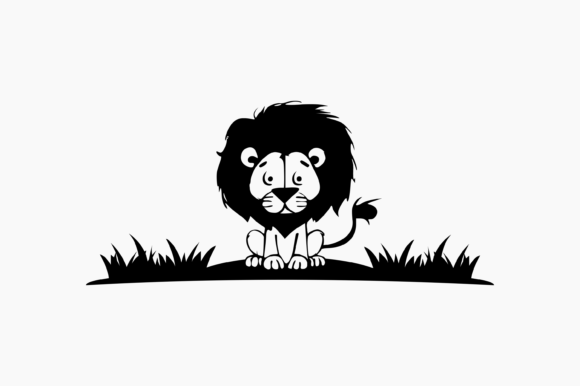
Cute Lion: A Designer’s Real-World Embroidery Review
As someone who’s stitched hundreds of designs onto everything from baby onesies to boutique aprons, I opened Cute Lion with quiet curiosity—not hype, not hope, but the kind of attention you give a new thread spool before loading it into the machine. This isn’t just another cartoon animal graphic. It’s a machine embroidery design that lands somewhere between playful and polished—and that balance matters more than you’d think when you’re stitching for real customers.
First Impressions: Friendly, Not Fussy
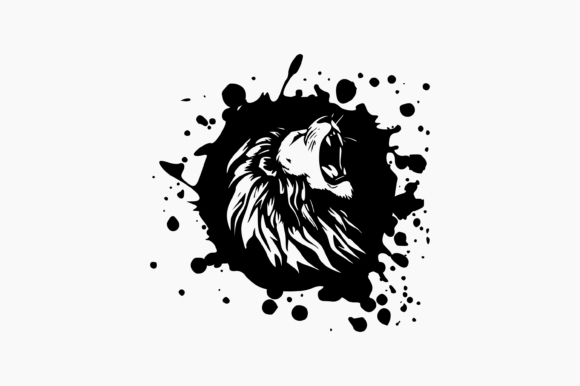
The moment you preview Cute Lion, its charm is immediate—but not cloying. The shape is rounded and approachable, with soft curves in the ears and mane, no sharp angles or fussy line work. There’s enough detail to read as “lion” at a glance—gentle whisker lines, a subtle snout curve, eyes that suggest expression without needing tiny satin-stitched pupils. That simplicity is intentional, and smart: it means Cute Lion scales well across sizes, holds up on textured fabrics like terry cloth or canvas, and won’t collapse into mush under dense fill stitch.
I tested it first on a natural linen tea towel—lightweight, slightly uneven weave—and was struck by how cleanly the design translated. No skipped stitches, no puckering, even in the curved cheek area. That tells me the stitch density is thoughtfully balanced—not too sparse to look unfinished, not so heavy it overwhelms delicate fabric.
Where It Shines: Real Projects, Real Customers
Last week, I used Cute Lion to embroider a set of organic cotton tote bags for a local nursery shop. We placed it centered on the front panel, about 3.5 inches wide. The result? Instant warmth. Parents paused at the display—not because it screamed “look at me,” but because it felt handmade, intentional, and quietly joyful. That’s the quiet power of this design: it elevates a handmade product without shouting.
It works equally well on:
- Sweatshirt embroidery—especially on heather grey or oatmeal fleece, where the clean lines pop without competing with fabric texture;
- Baby embroidery—on onesies or burp cloths, where softness and clarity matter more than intricate detail;
- Embroidered patches—the outer edge has gentle definition, making it easy to trim and fuse;
- Holiday embroidery—think lion-adorned stockings or pillow covers for a safari-themed nursery Christmas;
- Small shop product—it fits neatly on aprons, kitchen towels, and even the back yoke of kids’ caps when resized carefully.
For Etsy sellers and craft business owners, Cute Lion is a versatile asset—not a one-off novelty. Its friendly tone supports branding that’s warm but not childish, modern but not minimalist. I’ve seen it used in printable mockups for digital listings, and it reads beautifully both on screen and in person.
Where to Pause—and Why
That said, Cute Lion isn’t magic. Like any digital embroidery file, it asks for thoughtful application. Here’s where I recommend extra attention:
- Small hoop sizes: Below 3 inches wide, some of the softer contour details (like the inner ear curve) may lose definition. Test first on scrap fabric at your target size.
- Stretchy fabric: On knits or lightweight jersey, use cutaway stabilizer—not tear-away—to prevent distortion around the rounded jawline.
- Dark fabric: The design relies on shape and silhouette more than contrast-heavy outlines. If stitching on black or navy, choose a thread color with clear tonal separation—cream instead of white, charcoal instead of black.
- Curved surfaces: Caps and hats need careful hooping. The lion’s symmetrical layout helps, but avoid placing it too close to the bill seam where tension shifts.
- Frequent-wash items: For baby clothes or kitchen towels, double-check that satin-stitched areas (like the nose or eye highlights) are fully secured—not just decorative, but durable.
Design Notes You’ll Actually Use
Before stitching your first finished product, here’s what I do—and recommend you do too:
- Test on scrap fabric that matches your final project’s weight and stretch;
- Check thread color contrast in natural light—not just on-screen—especially if selling as a personalized gift;
- Review stitch density in your embroidery software: if fill areas feel overly dense for your fabric, reduce density by 5–10% rather than scaling down;
- Confirm hoop size—this design fits comfortably in a 4×4 hoop at standard size, but verify before loading;
- Inspect small details in your software’s outline view: look for stray nodes or overlapping paths that could cause stitching hiccups;
- Test in black-and-white mockups to assess visual weight and balance before committing to color;
- Use proper stabilizer—medium-weight cutaway for stable fabrics, lightweight fusible for linens or quilting cotton;
- Verify licensing: while the listing says “unlimited use” for stickers, mugs, and apparel, confirm whether resale of stitched items or inclusion in digital bundles is permitted—especially if you’re a digital product seller.
Why It Feels Like a Keeper
What makes Cute Lion stand out in my library isn’t novelty—it’s reliability. It doesn’t try to be everything. It’s not hyper-detailed like an applique design, nor is it so minimal it fades into background noise. It occupies that sweet spot where craft business owners can trust it to represent their brand honestly: skilled, kind, and quietly confident.
When a customer sees it on a custom embroidered pillow cover or a holiday gift bag, they don’t see “just a lion.” They see care. They see intention. They see the difference between mass-produced graphics and a design asset chosen with purpose.
If you’re building a collection of embroidery files for custom apparel, small shop merchandise, or personalized gifts, Cute Lion earns its place—not as filler, but as a foundational piece. It’s the kind of graphics item that grows more useful the longer you own it.