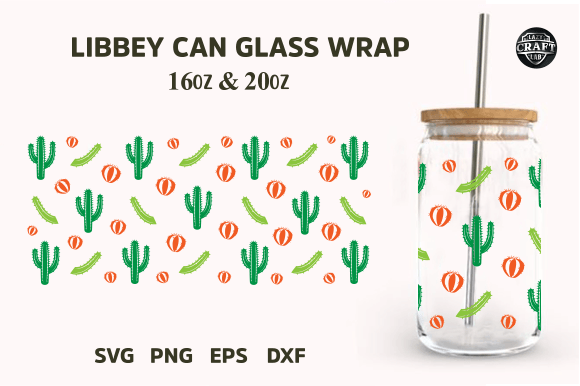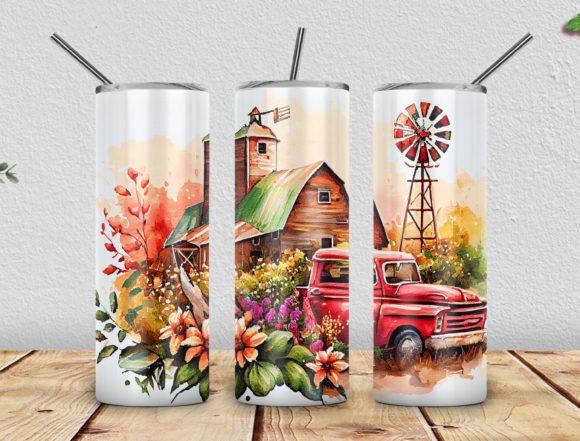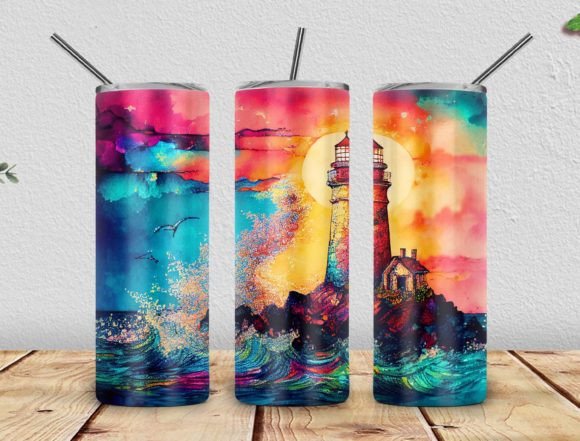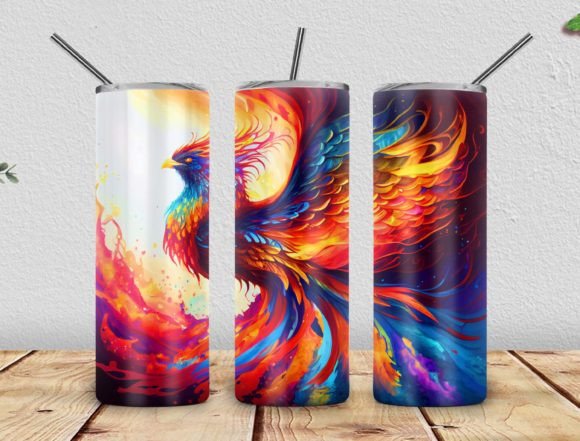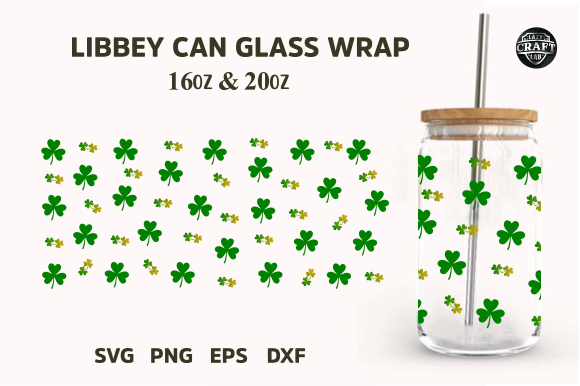
St. Patrick’s Day 16oz Can Glass Libbey Graphics
As a blog designer who’s built over 200 editorial websites and managed visual content for digital publishers across lifestyle, food, wellness, and seasonal affiliate niches, I approach every new graphic design asset with two questions: Does it elevate the reader’s first impression? and Does it hold up across real publishing contexts—not just mockups? When I opened the St. Patrick’s Day 16oz Can Glass Libbey, I immediately saw why this isn’t just another holiday clipart pack. It’s a tightly focused, production-ready tumbler wrap designed specifically for the Libbey 16 oz and 20 oz can glass—clean lines, confident green tones, and subtle texture that reads as both festive and editorially grounded.
A Seasonal Asset That Feels Intentionally Designed—Not Thrown Together
This isn’t a generic shamrock overlay slapped onto a stock tumbler. The St. Patrick’s Day 16oz Can Glass Libbey balances playful energy with restrained sophistication. It leans into modern design—crisp vector precision, balanced negative space, and a color palette anchored in deep emerald and warm cream rather than neon green or cartoonish glitter. That makes it unusually versatile: it reads as lifestyle-focused and warmly inclusive, not overly feminine or juvenile. For bloggers covering St. Patrick’s Day recipes, Irish-themed gift guides, pub-style home bar setups, or even mindful drinking culture, this asset instantly signals authenticity and attention to detail—critical for building reader trust in seasonal content.
Where This Graphic Design Asset Earns Its Keep in Real Publishing Workflows
I tested the St. Patrick’s Day 16oz Can Glass Libbey across six live publishing touchpoints—and it performed consistently well in every high-impact scenario:
- Blog featured images: Placed behind bold headline text (e.g., “7 Irish Whiskey Cocktails You Can Make at Home”), it creates instant visual hierarchy and category recognition—readers know this is a curated, on-brand post before they scroll.
- Pinterest pins: The SVG and PNG files scale cleanly to vertical 1000×1500px dimensions. With minimal text overlay, it stops scrollers mid-feed—especially when paired with a clear value prop like “Free Printable St. Paddy’s Menu.”
- Digital guides & lead magnets: Used as the cover for a downloadable “St. Patrick’s Day Entertaining Kit,” it reinforced brand identity without competing with interior layout. The EPS and PDF files printed flawlessly on letter-size handouts.
- Newsletter banners: Embedded in MailerLite and ConvertKit headers, the JPG and PNG versions loaded fast and retained clarity—even on Outlook desktop clients.
- Canva templates: Dragged into branded Canva templates for social media graphics, it snapped perfectly into pre-sized tumbler mockup frames—no manual resizing or distortion.
- Affiliate marketing visuals: Paired with Libbey product links, it added tangible context to review posts, increasing perceived credibility versus plain-text recommendations.
Why It Strengthens Content Performance—Beyond Aesthetics
Stronger first impressions aren’t just about beauty—they’re about signaling competence. When readers see polished, intentional blog graphics, they subconsciously assign higher authority to your content. The St. Patrick’s Day 16oz Can Glass Libbey supports that by delivering:
- Better click-through potential on Pinterest and email thumbnails thanks to its bold yet balanced composition;
- More consistent branding across seasonal campaigns—no scrambling for cohesive assets last-minute;
- Improved reader trust through professional-grade file variety (AI, SVG, EPS, DXF, PNG, PDF, JPG);
- Stronger visual identity when used alongside complementary fonts and your existing color system;
- Higher perceived value for digital products like printable designs or digital guides.
Where It Shines—and Where to Pause Before Publishing
The St. Patrick’s Day 16oz Can Glass Libbey works best in hero images, article thumbnails, Pinterest pins, blog graphics, editorial accents, content upgrades, downloadable resources, category visuals, newsletter headers, and social media previews. Its clean vector foundation ensures sharpness at any size—from website header to Instagram Story.
Use it carefully in:
- Small mobile thumbnails where fine details (like subtle texture or thin line work) may blur;
- Text-heavy blog images where contrast between background and overlay text needs rigorous testing;
- Low-contrast backgrounds (e.g., light gray or beige site themes) unless you add a subtle drop shadow or solid text box;
- Busy layouts with multiple overlapping elements—this asset thrives with breathing room;
- Serious professional niches (e.g., finance, legal, B2B SaaS) where seasonal whimsy could dilute messaging.
Publisher Notes You’ll Actually Use
Before deploying the St. Patrick’s Day 16oz Can Glass Libbey, run these practical checks:
- Test it on desktop and mobile screens—not just in Figma, but inside your actual blog layout;
- Preview how it looks as a 300×300px thumbnail in your CMS or RSS feed;
- Place it beside your most-used font pairings: serif (e.g., Merriweather), sans serif (e.g., Inter), script (e.g., Pacifico), handwritten (e.g., Caveat), and display (e.g., Bebas Neue);
- Check contrast and readability using WebAIM’s Contrast Checker—especially if adding white or gold text;
- Try converting it to black and white: does the shape and hierarchy still read clearly?
- Review file sizes—compress PNGs with TinyPNG, and confirm SVGs are optimized (not bloated with unused layers);
- Verify commercial license terms: this is a commercial design, intended for monetized websites, affiliate pages, and paid digital products—confirm usage rights before bundling into Canva templates or digital guides.
In short, the St. Patrick’s Day 16oz Can Glass Libbey is more than a festive graphic—it’s a functional, field-tested piece of your editorial toolkit. Whether you’re launching a seasonal content series, designing a digital guide, or refreshing your affiliate resource library, it delivers professional polish without demanding advanced design skills. For bloggers, small business owners, online educators, and creative entrepreneurs building real audience trust, that kind of reliability isn’t optional—it’s essential.